
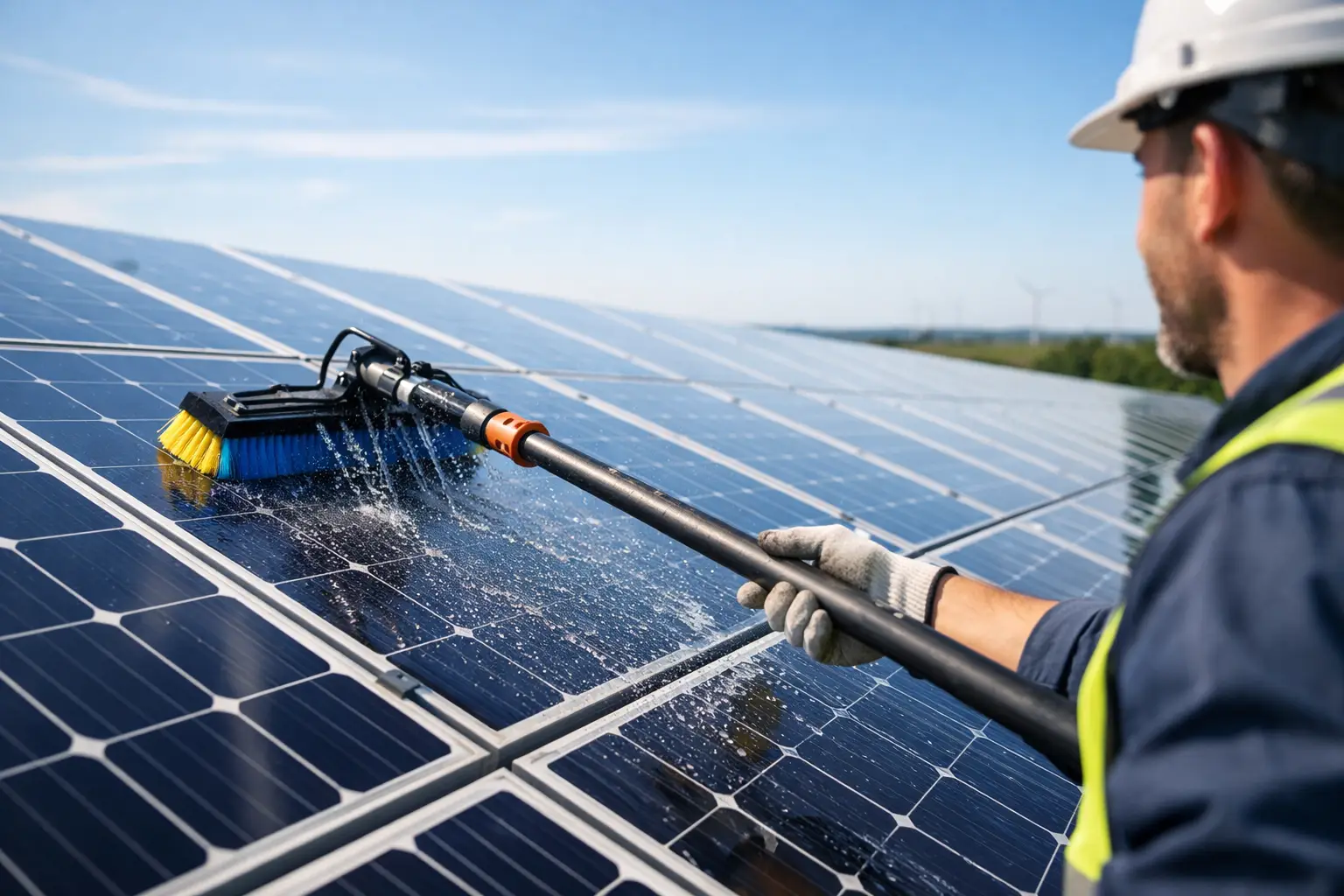
A solar array can look acceptable from the ground while losing meaningful production at the module surface. Spring pollen, field dust, bird droppings, pine debris, and mineral residue do not need to cover every panel to affect output. Solar production recovery starts by treating that buildup as an operating issue, not a cosmetic one.
For a Southern Wisconsin homeowner, that may mean finding out why a $20,000-plus system is falling short of its expected seasonal production. For a farm, commercial facility, or public agency, it can mean protecting the performance of a larger asset with maintenance records that stand up to internal review, warranty questions, and insurance documentation.
What Solar Production Recovery Actually Means
Solar production recovery is the measurable return of energy output after a correctable source of loss has been addressed. Cleaning is one common path to recovery, but it is not a cure for every underperforming system. Shade growth, inverter faults, failed optimizers, snow cover, equipment degradation, and weather all affect production too.
That distinction matters. A responsible cleaning provider should not promise a fixed percentage increase before seeing the conditions. The honest answer is that recovery depends on what is on the glass, how long it has been there, the panel tilt, local weather, and whether other system issues are present.
When soiling is the primary issue, a clean surface allows more usable sunlight to reach the photovoltaic cells. Production can recover immediately under comparable weather conditions. Solar Alchemist documented a 16.7% production lift at the Wisconsin State Capitol and a 22% daily recovery for a Dane County homeowner under identical weather conditions. Those are documented site results, not a guaranteed outcome for every array.
Why Small Deposits Can Create Larger Losses
Solar modules are wired in a way that makes uneven shading more consequential than many owners expect. A light, even coating of pollen may reduce output across a panel. A concentrated bird dropping, clump of wet debris, or persistent hard-water spot can block a small section of cells and create a disproportionate loss.
That localized restriction can contribute to hot spots, where affected cells run hotter than surrounding cells. Over time, repeated heat stress may increase the risk of cell damage or permanent performance loss. Deposits left on glass can also hold moisture and minerals against the module surface. In the case of sprinkler overspray or untreated wash water, mineral deposits can become difficult to remove and may etch glass.
Agricultural sites face a distinct version of this problem. Fine dust, chaff, and airborne material can settle quickly during busy seasons, particularly near livestock operations, gravel lanes, and field work. Rooftop systems near mature trees can collect pollen and needles in patterns that vary across the array. The right cleaning interval is therefore site-specific, not a calendar rule copied from another property.
Production Monitoring Provides the First Clue
Monitoring data does not diagnose every problem, but it can tell an owner when to investigate. Compare current production with prior periods while accounting for weather, daylight hours, and changes to shading. Look for a decline that does not match similar days or seasonal expectations.
A sudden drop may point to equipment, a tripped breaker, or a communication problem. A gradual decline, especially after pollen season, drought, harvesting activity, or heavy bird activity, is more consistent with soiling. Visual inspection can help, but a ground-level view rarely reveals the full condition of an elevated array.
Recover Production Without Creating New Damage
The cleaning method matters as much as the decision to clean. Solar panels are not windows, and a method that leaves a house window looking clear can leave damaging residue or create unnecessary risk on a photovoltaic module.
Hard tap water contains dissolved minerals. Once that water dries, it can leave spots that reduce light transmission and, in persistent cases, contribute to mineral staining. Household detergents, abrasive pads, pressure washers, and harsh chemicals introduce other concerns. They can leave films, scratch coatings, force water into areas it does not belong, or conflict with manufacturer care guidance.
Manufacturer-approved cleaning generally means using soft, non-abrasive tools and purified water while following the module maker's published instructions. Temperature also matters. Cleaning hot glass with colder water can create thermal stress, and working on wet roofs or around electrical equipment requires disciplined safety practices.
Solar Alchemist uses 100% deionized water and soft rotary brushes to remove ordinary soiling without chemicals, customer water hookups, or customer power. The deionized-water finish dries spot-free because the minerals have been removed before the water reaches the panel. This is not a detail to overlook in an area where hard water is common.
Documenting the Recovery Is Part of the Work
A cleaned array should not simply look better from the driveway. Owners need a record of what was found, what was done, and what performance data shows afterward. That record turns cleaning from an informal expense into documented asset maintenance.
For residential owners, before-and-after production observations can help answer a practical question: did soiling appear to be suppressing output? The best comparisons use similar weather conditions and the same production source, such as an inverter or monitoring portal. A single sunny day is useful, but a short run of comparable days offers stronger evidence.
Commercial, agricultural, and government owners may need more formal documentation. A maintenance file can support facility records, vendor management requirements, warranty discussions, and insurance claims after a loss event. It should identify the serviced array, date, observed condition, cleaning method, and any visible concerns that may require an electrician, installer, or manufacturer review.
Cleaning records also help establish a sensible maintenance interval. If an array shows a material production recovery after a pollen-heavy spring, dusty harvest period, or extended dry spell, the owner has site-specific evidence for planning future service. If recovery is small, that information is useful too. It may indicate that cleaning can be less frequent or that another performance issue deserves attention.
When Cleaning Is Worth Scheduling
There is no universal rule that every solar owner needs annual cleaning. A steep, unobstructed residential roof that receives regular rainfall may stay relatively clear for long periods. A low-tilt commercial roof near a gravel lot, a dairy operation, or a tree line may need closer attention.
Schedule an evaluation when monitoring shows unexplained decline, when visible deposits persist after rain, or when the array has been exposed to unusual dust, smoke residue, pollen, or bird activity. Owners should also consider cleaning before comparing system performance, commissioning a new monitoring review, or documenting condition after a nearby construction project.
The cost decision should be based on likely energy recovery, the value of production, and the risk of leaving damaging contaminants in place. It is not just about whether cleaning pays back in one billing cycle. For a valuable solar asset, preventing mineral buildup, reducing hot-spot exposure, and maintaining a documented service history carry value beyond the immediate kilowatt-hours recovered.
A Clear Scope Beats a Guess
A useful quote identifies the array size, access conditions, roof configuration, and location. Satellite imagery can often establish much of that scope without a mandatory site visit. Larger facilities, farms, public entities, and multi-site owners may need a written bid, certificate of insurance, W-9, and clear invoicing terms before work begins.
The provider should also be direct about limits. Cleaning does not repair broken glass, replace failed equipment, correct electrical faults, or remove permanent etching. If those conditions are present, they should be documented and referred to the appropriate solar installer, electrician, or manufacturer support channel.
Treat Output Loss as a Maintenance Signal
A solar system earns its keep one production day at a time. When output trends down, do not assume the system is simply aging or that rain has cleaned everything away. Check the data, account for weather, and inspect the physical condition of the array with the same care you would give any other major property asset.
The right next step may be cleaning, troubleshooting, vegetation management, or a conversation with the installer. What matters is having evidence to act on. A clean module surface and a documented production comparison give Southern Wisconsin solar owners a practical way to protect the return they already invested in.