
Does Rain Clean Solar Panels?
By Marquis Mason ·
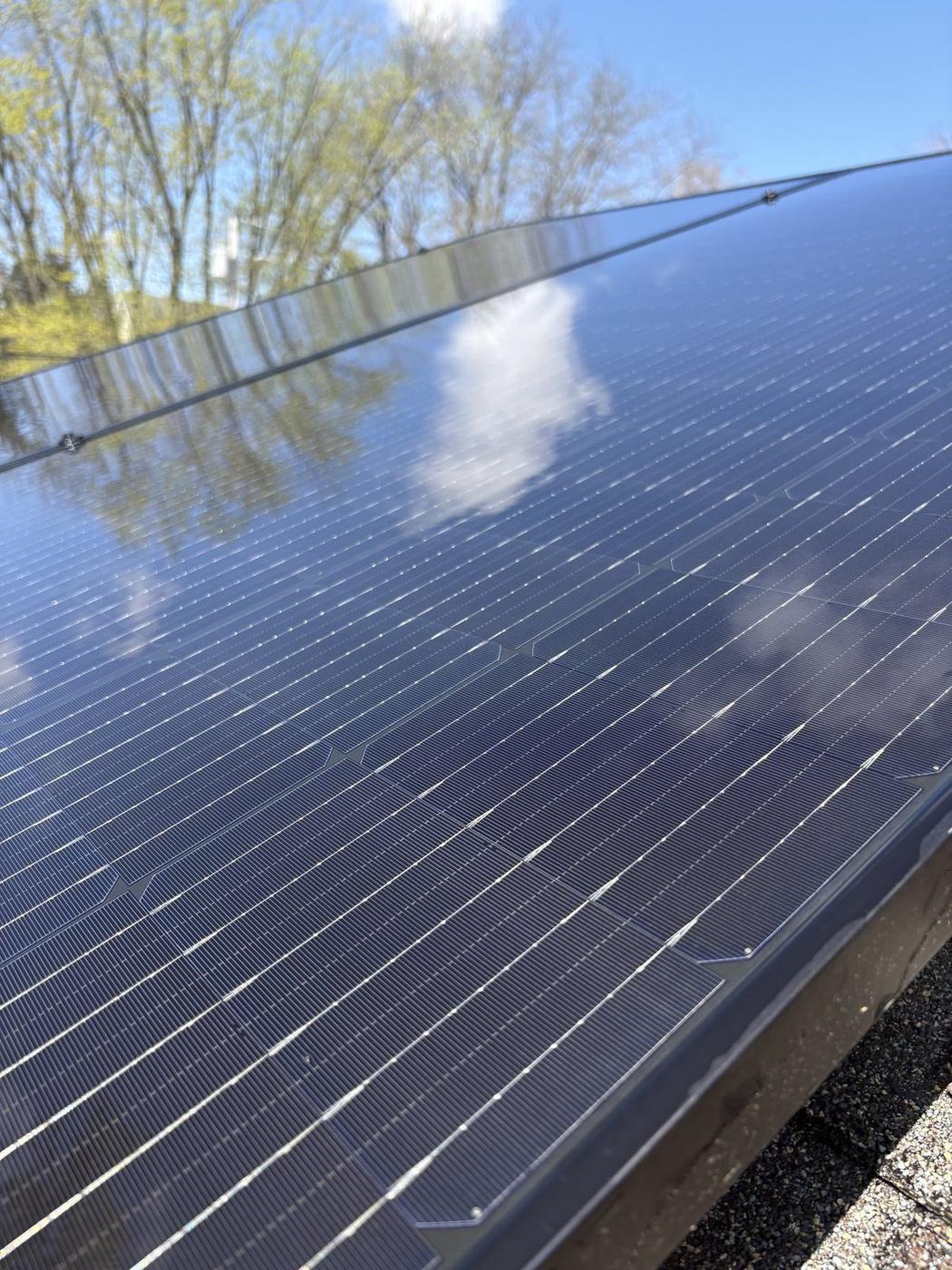
Rain is the most common maintenance plan I hear about. It is also the one the research disagrees with — politely, and with measurements.
Rain does something. It rinses loose dust off tilted glass, and a hard downpour takes more than a drizzle. The global soiling review in Joule puts it plainly: rain is effective at cleaning soiled surfaces if it is sufficiently abundant. The problem is everything rain does not do, and the stuff it leaves behind.
The pollen problem
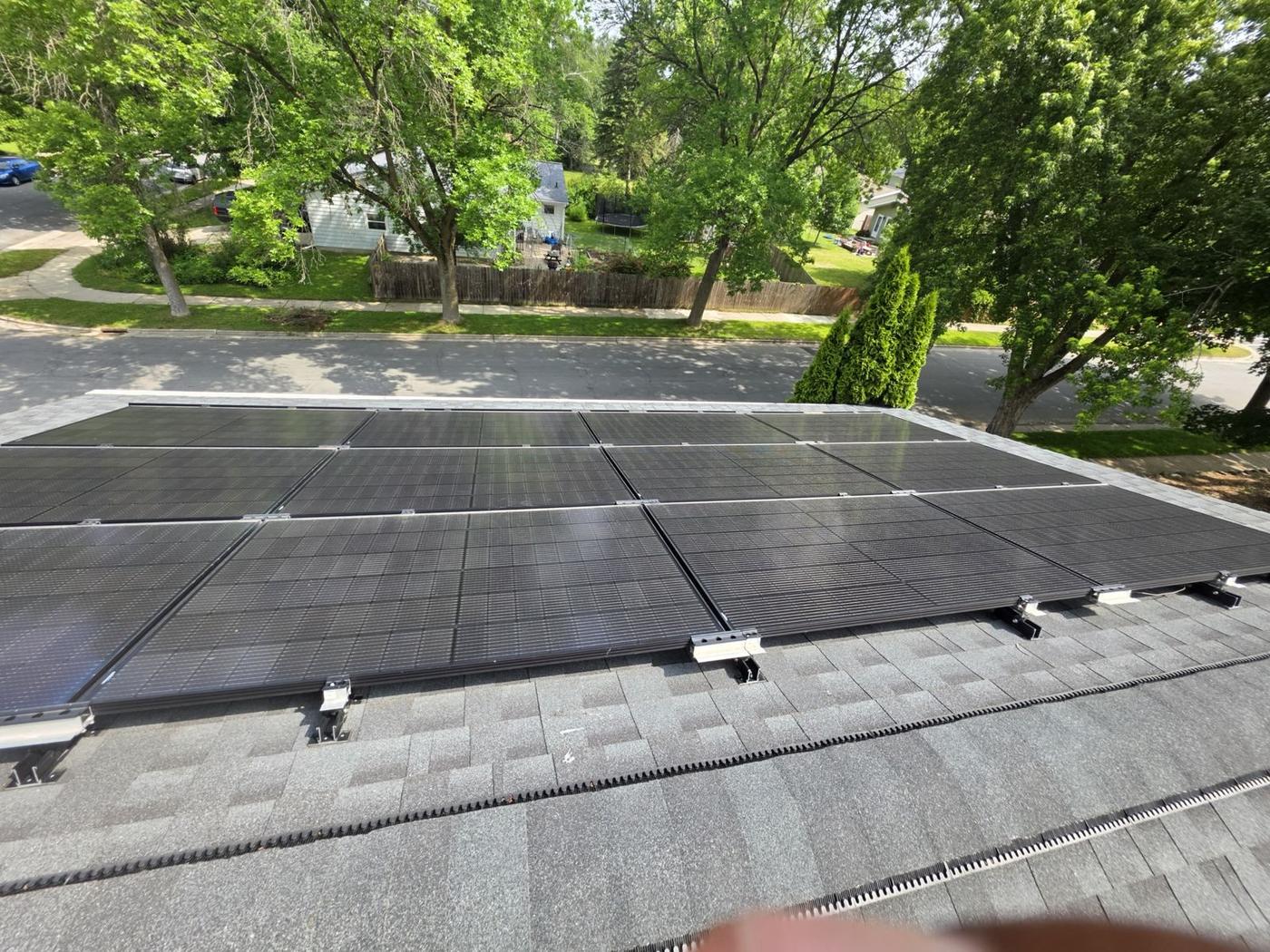
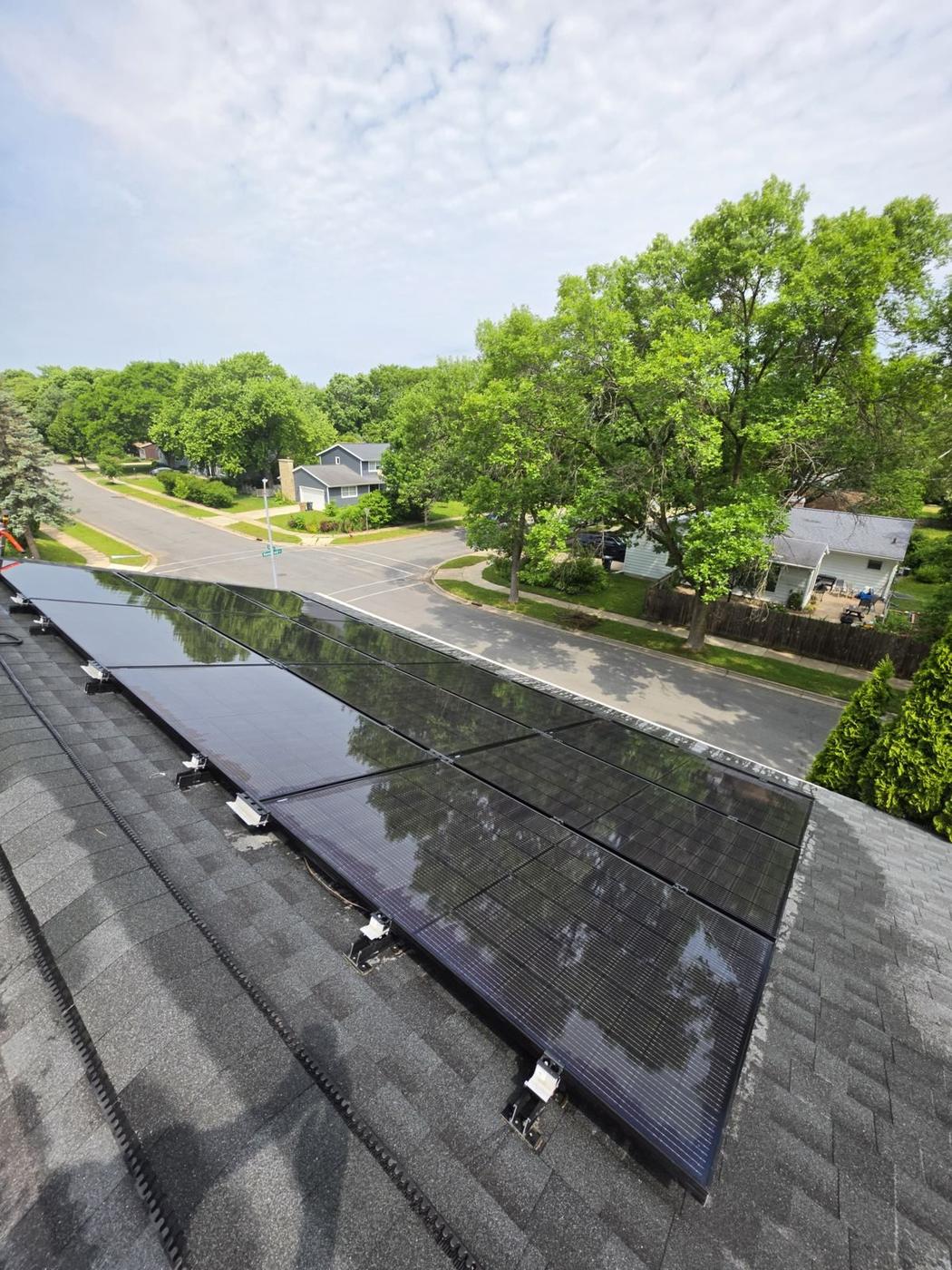
Pollen is the big one in Wisconsin, and it is the case NREL actually measured. Researchers studied five utility-scale plants in North Carolina — a rainy climate, not a desert — that had gone more than seven years without cleaning. During peak pollen season, performance dropped about 15%. Annual losses ran on the order of 10% without planned cleaning, in a place where it rains all the time. After a mechanical wet-brush cleaning, performance came back 5–11%.
The study's lead author, NREL's Matthew Muller, said it directly: "regular rainfall is not sufficient to assume that solar plants are fully cleaned in certain environments."
Why doesn't rain handle pollen? Pollen is sticky. Mixed with dew and dried by sun, it bonds to the glass as a film. Rain sheets over the top of it. It is the difference between rinsing a dusty windshield and washing a windshield that has tree sap on it. Madison's pollen load runs above the national average and peaks in May — which happens to be the start of the best production months of the year. The worst soiling lands exactly when your panels should be earning the most.
What else rain leaves behind
- The bottom-edge ridge. Dirt that does rinse down collects along the lower frame of each panel and bakes into a mud ridge. That ridge shades the bottom row of cells full-time, rain or shine.
- Bird droppings. Opaque, adhesive, and still there after the storm. Droppings don't just block light — they can create hot spots that stress the cells underneath.
- Mineral residue. Rainwater carries dust with it, and as it dries it leaves some of that load on the glass. Panel over panel, year over year, it builds.
- Bio-soiling. In humid climates a dark fungal-type film grows on panels that may not even look dirty. NREL measured losses of about 14% on bio-soiled modules from a rainy southeastern system — details in the deionized water post.
When rain is genuinely enough
Honesty matters here: some arrays get by on rain for a while. A steep tilt, light dust, no overhanging trees, no birds, no farm fields nearby — losses on a setup like that sit near the low end of NREL's range for rainy regions, about 1–2% a year. If that is your roof, rain plus a look at your production numbers once a year is a reasonable plan, and I will tell you so if you ask.
Most arrays I clean are not that array. They sit under oaks and maples, near fields or gravel, at a modest tilt, with a bird problem on one corner. For those, rain is a rinse, not a cleaning.
Tilt deserves its own sentence, because it decides how much rain helps you. A steep roof sheds water fast and carries loose dust with it. A low-tilt array — common on ranches, farm buildings, and commercial roofs — lets water slow down, pool at the frame edge, and drop its dirt load right there as it dries. That is why the mud ridge forms on the bottom edge of shallow panels and why two houses on the same street, rained on by the same storms, can have very different soiling. If your array is shallow enough to read from a ladder, look at the bottom two inches of glass after the next dry week. That strip is your rain report card.
The practical test
Don't take my word or the studies' word. Take your app's word. Compare a clear week this spring against the same system last spring, or check output before and after a cleaning — the method is in how to calculate soiling losses. If the numbers say your panels are holding their own, keep your money. If they show a gap that weather doesn't explain, that's the dirt.
How often that gap is worth closing is a separate question, covered in how often to clean. If you want a free look, text me at (608) 571-4173 — I'll pull up your roof by satellite and tell you what I see, including if the answer is "you don't need me yet."